
Navigating the Grid: The Vital and Evolving Role of Brooklyn’s Real Estate Professionals
NEW YORK — In a metropolis defined by its rapid transformations, the mechanics of the New York City real estate market are frequently analyzed through a purely macroeconomic lens. Media coverage routinely fixates on fluctuating interest rates, shifting inventory thresholds, and the financial anxieties of buyers. Yet, beneath the high-stakes data points lies a critical, highly specialized class of professionals who act as the structural anchors of this urban ecosystem: Brooklyn’s licensed real estate agents and brokers.
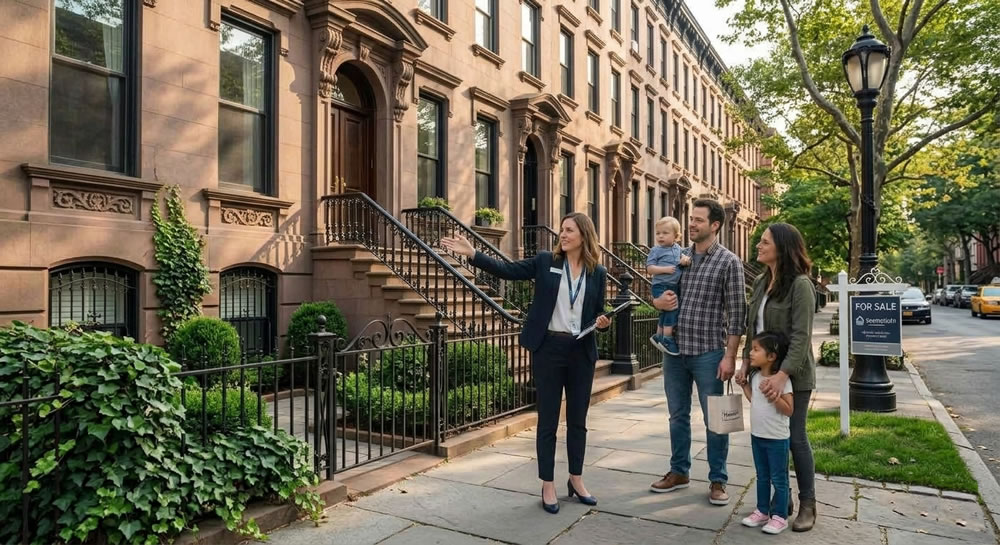
Far from being mere facilitators of transactional paperwork, these professionals serve as vital guides for families, individuals, and business owners attempting to secure a foothold in one of the world's most competitive landscapes. To execute this responsibility, an agent must possess an exhaustive, hyper-local intelligence network. From the historic brownstone blocks of Brooklyn Heights to the commercial corridors of Flatbush Avenue, brokers spend years learning every street, neighborhood shift, and geographic nook and cranny. When an entrepreneur seeks a storefront to launch a business, or a family searches for a stable residential environment, they depend entirely on a broker's spatial and demographic insight.
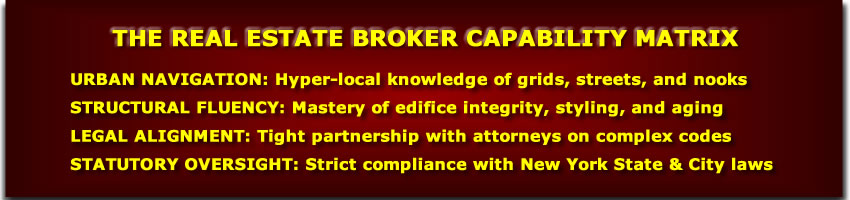
The demands of the current 2026 economic environment have fundamentally heightened the necessity of this expertise. As the real estate market grapples with structural shifts—driven by stubborn borrowing costs, post-pandemic commercial space rezonings, and highly discerning buyers—the margin for error in a property transaction has effectively collapsed. Today's consumer no longer requires a simple tour guide; they demand an advisor with rigorous structural and aesthetic fluency.
Because Brooklyn operates as a living museum of varying architectural eras, properties regularly present complex structural realities. Century-old edifices are continuously retrofitted for modern residential use or transformed into commercial hubs. Consequently, brokers must develop practical expertise in construction methods, historical styling, and structural integrity. When a potential buyer hesitates over the viability of an older building's bones, it is the agent's ingenuity and technical awareness that provides clarity, evaluating layouts and identifying long-term equity risks that the untrained eye would miss.
Beyond physical structures, the modern broker must navigate an intricate legal and financial labyrinth. Every real estate transaction in New York is bound by complex zoning regulations, property tax codes, and strict disclosure laws. To protect their clients' capital, Brooklyn agents operate in constant, direct affiliation with real estate attorneys. This collaborative dynamic ensures that titles are clear, contracts are legally bulletproof, and transactions are insulated from volatile litigation risks.
This immense market influence is why the profession is governed by stringent regulatory oversight. Licensed agents and brokers are heavily regulated by both the City and the State of New York. To maintain their credentials, they must strictly comply with rigorous continuing education mandates, transparent financial reporting practices, and evolving fair housing frameworks. This legal structure ensures that consumer protection remains a non-negotiable standard across the industry.
Ultimately, as Brooklyn continues to redefine its commercial and residential footprint, the real estate professional remains the central bridge between a property's historic layout and its future utility. By mastering the streets, the laws, the economic climate, and the very architecture of the borough, these individuals do not merely close deals—they actively construct the communities of tomorrow.