
Behind the Velvet Rope: The Strategic Orchestration of the Modern Open House
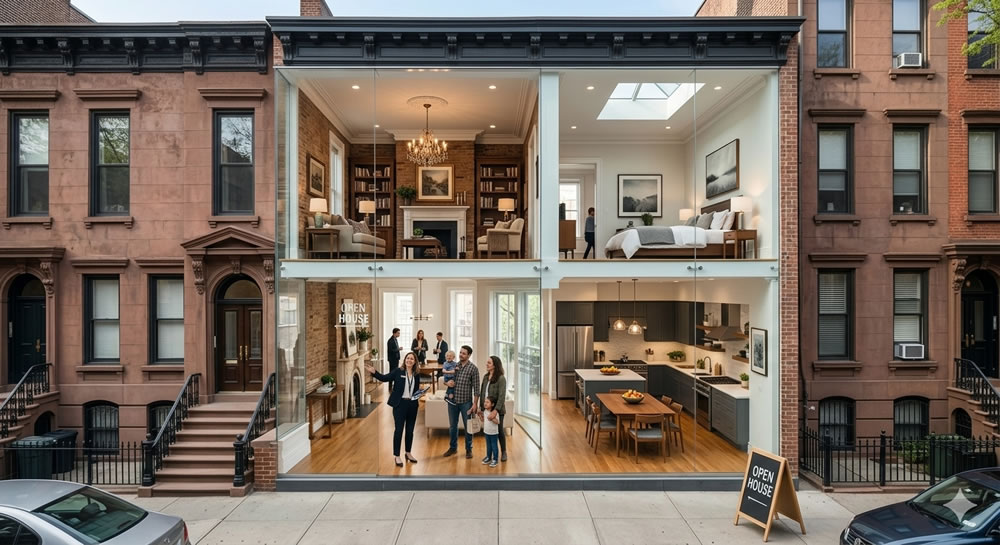
To the casual weekend browser, a Sunday open house in Brooklyn appears effortlessly welcoming. The front door stands open, jazz plays softly in a sun-drenched parlor, and light refreshments sit neatly on a kitchen island. But this seamless surface is an illusion. In reality, a successful open house is a complex logistical operation requiring precision engineering, psychological staging, and deep market fluency. For the real estate broker, an open house is not just a viewing; it is a live theatrical production where property, psychology, and finance intersect.
------------------------------
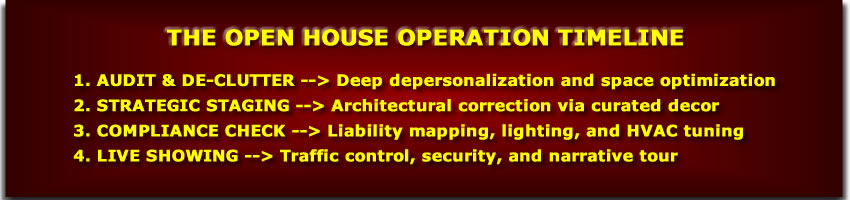
1. Spatial Correction and Staging Long before the first guest arrives, the broker orchestrates an intense physical transformation of the property. This involves:
The Logistics behind Coordinating, Setting Up, and Staging
Transforming a private, lived-in residence into a pristine public asset requires a meticulous, multi-phase operational timeline.
1. Spatial Correction and Staging Long before the first guest arrives, the broker orchestrates an intense physical transformation of the property. This involves:
- Depersonalization: Removing family photographs, idiosyncratic artwork, and personal items so potential buyers can project their own futures onto the space.
- Aesthetic Curation: Bringing in professional stagers to deploy scale-appropriate furniture, neutral textiles, and tactical lighting. The goal is to maximize square footage, emphasize architectural assets (like exposed brick or historical crown molding), and mask layout flaws.
- Luminance Optimization: Every blind is angled and every light fixture is activated using specific bulb wattages to eliminate shadows and make rooms feel expansive.
- Climate Tuning: The HVAC system is calibrated to ensure the interior is a perfect, inviting temperature, counteracting the heat generated by heavy foot traffic.
- Liability Minimization: Ensuring all loose rugs are taped down, valuable personal items are safely locked away, and walkways are clear to handle high volumes of visitors safely.
The Multi-Dimensional Skillset of the Broker
An agent must seamlessly shift between distinct professional roles to successfully bring an open house to fruition:- The Spatial Psychologist: Brokers understand how a buyer moves through a home. They arrange furniture to control traffic flow and place sensory cues—like subtle scents or curated music—to evoke an immediate emotional connection.
- The Project Manager: Coordinating a network of deep-cleaners, moving companies, professional stagers, and architectural photographers within a tight window requires exceptional administrative precision.
- The Analytical Marketer: The agent determines the optimal timing for the event based on local data, cross-references digital syndication channels (like StreetEasy or Zillow), and targets active local buyer profiles to maximize showing attendance.
Opportunities and Possibilities Realized
When properly executed, an open house creates a unique environment that unlocks immense structural advantages for both sides of the transaction. For the Seller: Creating Market Momentum- The Urgency Engine: By compressing multiple showings into a tight two-hour window, the seller creates a localized theater of competition. When buyers see rivals actively inspecting the same countertops, it sparks a psychological fear of missing out (FOMO), often accelerating the timeline for offers.
- Consolidated Disruption: Instead of forcing a selling family to constantly vacate their home for unpredictable individual private showings all week long, an open house condenses the foot traffic into a single, highly efficient afternoon.
- Pure Market Feedback: It provides a rapid, unvarnished focus group. The broker aggregates real-time impressions regarding pricing, layout, and decor, allowing the seller to make swift strategic adjustments.
For the Buyer: Low-Pressure Discovery
- Anonymous Inspection: Unlike a private showing where a buyer might feel hyper-analyzed by an accompanying agent, an open house offers freedom. Buyers can move at their own pace, open closets, test water pressure, and absorb the space without immediate sales pressure.
- Contextual Due Diligence: It allows buyers to observe their competition. Seeing the volume and demeanor of other interested parties helps a buyer gauge the market temperature and decide how aggressively to structure an eventual offer.
- Neighborhood Immersion: Arriving for an open house gives a buyer a realistic view of the block's weekend energy, parking accessibility, proximity to transit, and overall community dynamic.